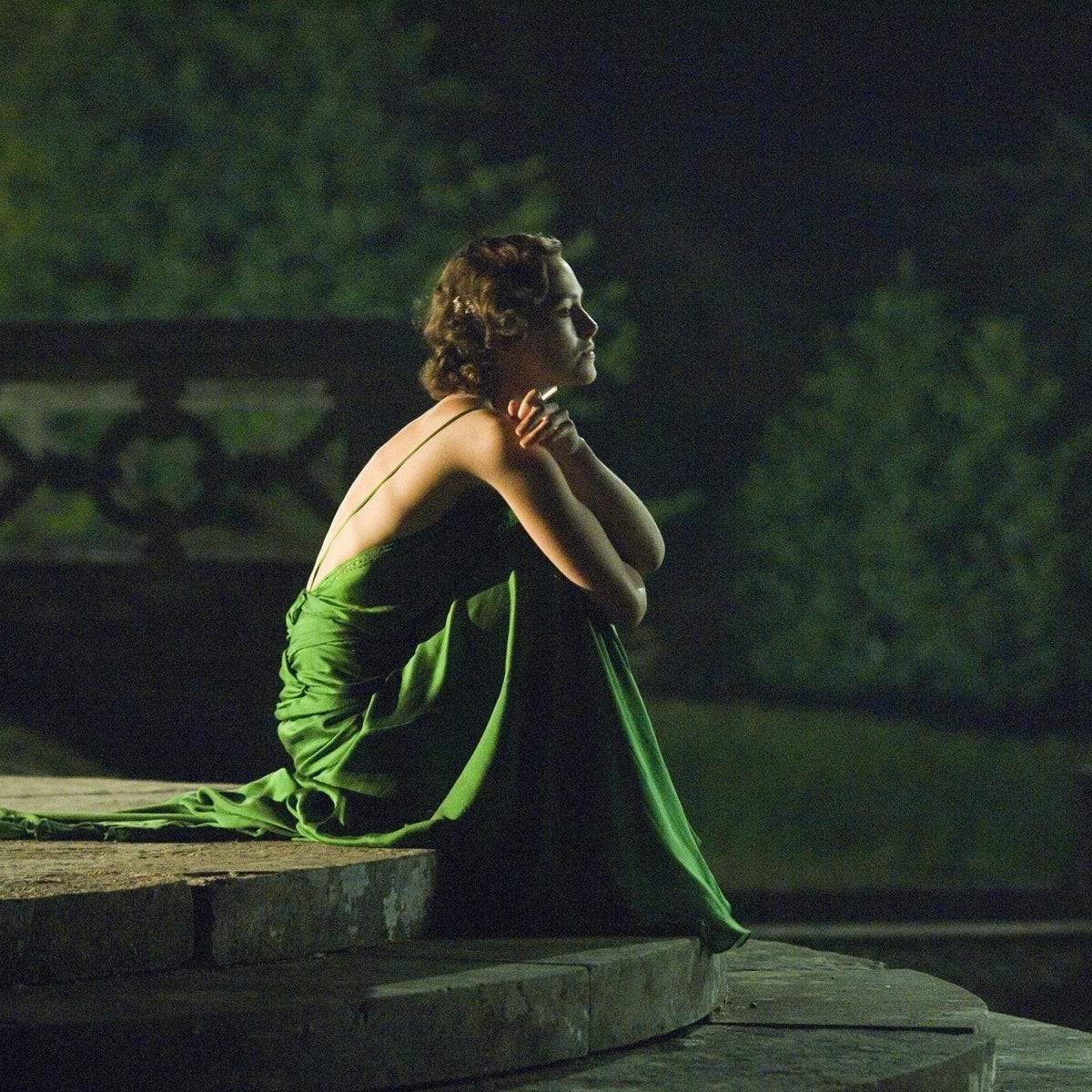
Atonement by Joe Wright
Predisposition to guilt and its struggles.

Statement of intent: This is a formal essay, analysing how contrast was fruitfully used by British filmmaker Joe Wright to emphasise a character’s (Briony) deposition to guilt, in the film Atonement.
Following this navigation of guilt, film techniques were used to highlight the richness of layers to this character — exposing unconsidered aspects of a child’s errors as well as the effects of guilt on their conscience.
It has been executed with the intent of establishing child-like ignorance in her personality and the role that plays in her trauma.
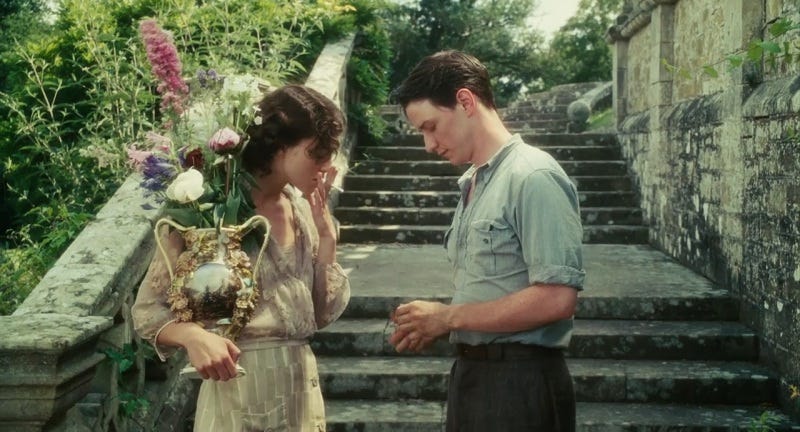
“One is fruitful only at the cost of being rich in contradictions.” - Friedrich Nietzsche
Directed by British film-maker Joe Wright, the 2007 film adaptation of Ian McEwan's novel 'Atonement', profoundly exemplifies this fruitfulness. The film is littered with contradictory themes that surround the main characters – all of which Joe Wright incredibly executes with distinct precision through the diverse use of language techniques.
An important idea throughought the movie is the effect of guilt. Seeing the expansion of this idea as the film progresses, Wright tracks the growth and tribulations of the main character Briony as she navigates life trying to atone for a mistake she made as a child. Through contrasting ideas, the observation of how this mistake implicates Briony and the people around her is adeptly enabled.
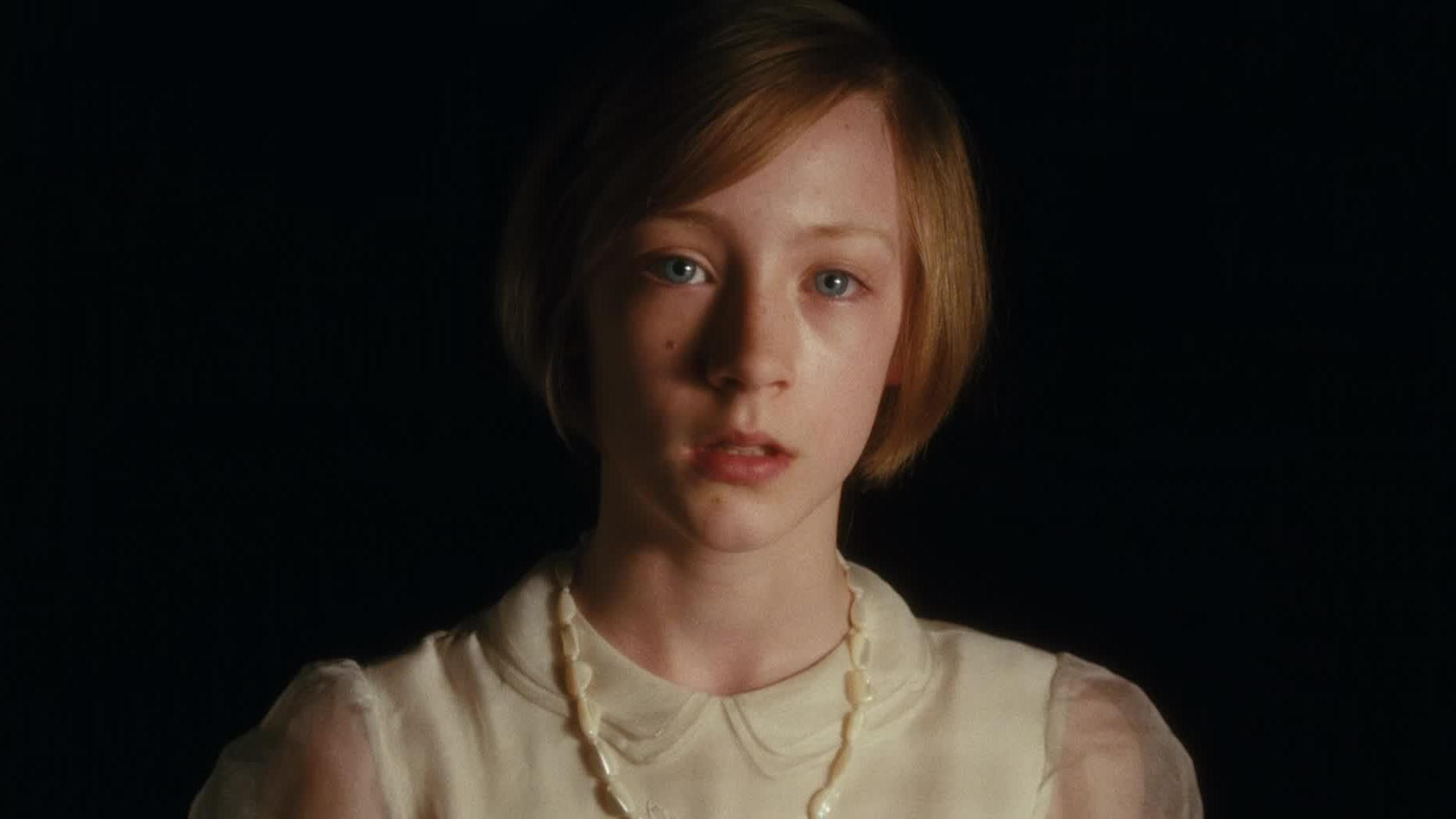
A summer night in 1935 marks the origin of Briony’s guilt and trauma. Pictured with a close-up of her face, this scene reveals that a portion of it is shrouded in darkness. Wright expertly uses lighting to fruitfully emphasise on Briony’s guilt and build on the fact that she is kept in the dark; only knowing half-truths of the situation.
Briony is shrouded in darkness the same way she has shrouded everyone in misery with her lies, creating an understanding that Briony’s actions have snubbed out the light and love in the film; casting a shadow over the rest of the movie.
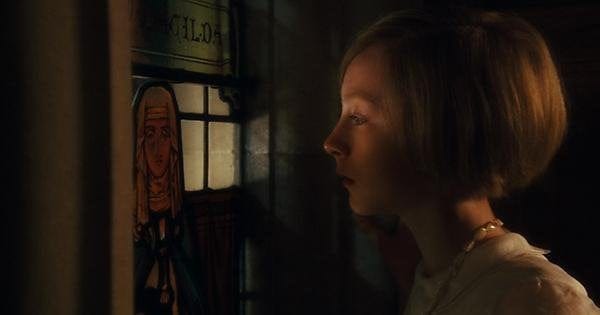
This scene foreshadowed the inevitable consequences of Briony’s naivety. Wright’s rich use of contrast efficiently enables the audience to recognise Briony’s guilt in her errors whilst still upholding her youthful innocence; enhancing the lack of awareness present in children and elaborating on the differences in worldviews as a young adult with this technique.
“We are not built for guilt, it damages our souls and personalities, – even our health” - Joyce Meyer
Progressing into Briony’s early adulthood, she is found working as a nurse in war-torn France. A fruitful contrast between the bright, warm tones of summer 1935, and the washed-out colour scheme of a hospital in 1940, alludes to the similarly drastic shift in Briony’s life. Briony punishes herself for the role she had played in the traumatic event of the film; uprooting her livelihood as she attempts to atone for that guilt.
Briony’s experience as a child is portrayed as bright and full of life – akin to her natural disposition and nature as a thirteen-year-old girl. However, the abrupt change between her youth as a child and as a young adult portrays how much Briony’s guilt has affected her life and nature – pushing her light to dim as she takes the brunt of this burden.
Wright’s emphasis on the contrast between Briony’s past and her present helps shine a light onto the extent of her guilt, and it allows individuals to recognise how detrimental it can be to hold onto something heavy from their childhoods.
It pushes viewers not to allow their past to haunt them – lest their light dims the same way it has for Briony. Wright’s portrayal of Briony’s affected nature from her guilt is crucial in highlighting how that fearful child of summer 1935 stays with Briony even as she ages. It shrouds Briony in a blanket of gloom and weariness that should not be experienced by an individual only recently being introduced into her own life and society.
That permanent sense of fear and shame is distinct in every shot of Briony as she progresses through her life as a young adult in London; her pitiful disposition only further emphasised by the ongoing war and its tragedies.
Wright ensures viewers understand Briony’s fear and trauma from her time as a child never leave; chaining her to a fate of prolonged shame and reducing her nature to that of a meek child. This restricts Briony’s true nature and passion from fully presenting itself in society. Wright’s clever directory makes viewers question the various ways in which they allow their past experiences to hold themselves back from truly living life to its fullest extent.
“Briony’s life is ruined in a deeply deeply psychological way… She is never able to interact on any level with any other human being because this personal guilt acts as a glass wall [that] inhibits her from feeling any right to pleasure, any kind of right to give love or be loved.”
Montages of long shots support this, as Briony is seen crouched on various surfaces as she scrubs hospital equipment – occupying as little space as possible; contradicting the initial impression of Briony being a commanding figure, these compositions wholly transpose this view. Briony’s body language also alludes to Shakespeare’s Lady Macbeth – referencing the Lady’s attempts at washing away her guilt by scrubbing at her hands.
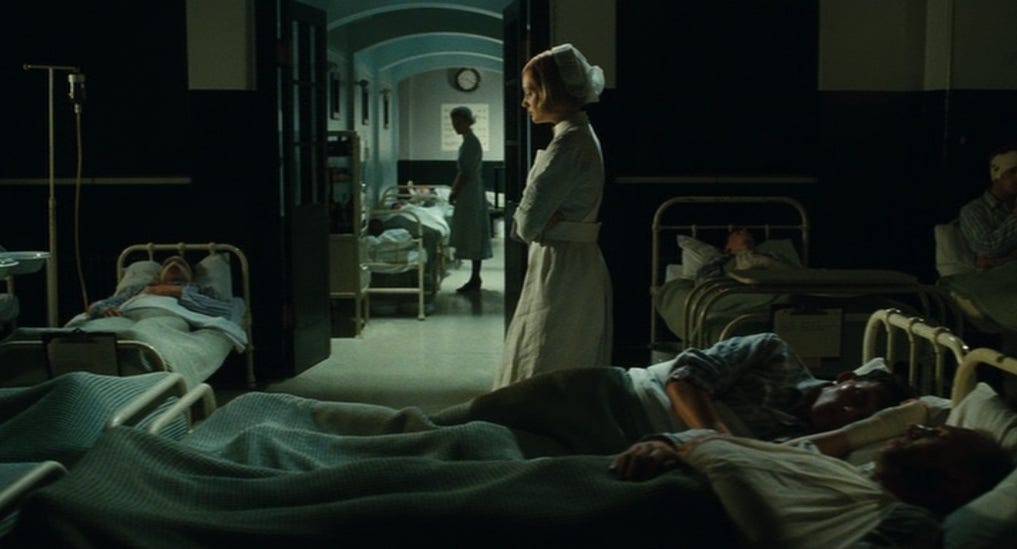
This fits with the pre-existing knowledge of Briony and her controlling tendencies; the adoption of this conscious act allows control over the extent of Briony’s guilt or the way it commands her attention.
This idea allows a rationalisation with how Briony must feel. An absence of guidance being provided to Briony led to assumptions formed out of desperation and fear in hopes of reigning irregular emotions. Fear can cause people to undertake drastic exploitations in their pursuit of ridding it.
Briony’s guilty attempt to control the narrative of Robbie’s intentions was only an attempt at controlling her own life.
When children experience a traumatic event at an early age, it can linger throughout their lifetime. Children need to be guided through situations that may confuse them, ensuring their experiences and curiosities are not overlooked as those may lead them astray. Guarding society’s youths and ensuring they have a support system in times of fear and uncertainty is what all children are entitled to.
Nobody should brave through their guilt alone.
Finally, Wright also uses contrast to emphasise Briony’s guilt in the coda. Through the depiction of Briony’s late age, Wright instills the revelation that the coda is a confession of Briony’s past mistakes. This crucial moment of Briony revisiting her childhood and its deceptions is further highlighted by her hair and costume. As she faces her mistakes, Briony is also reconnecting with her inner child; attempting to heal her past through this admittance.
As the scene progresses, these ideas are seen through parallels in the blue tones of her dress and her hairstyle as it depicts the perfect likeness to when Briony was a child.
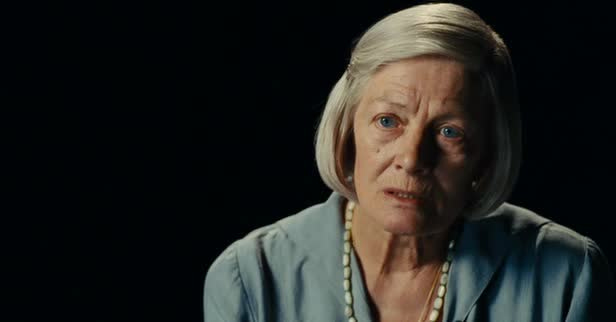
Nonetheless, a stark contrast between the two versions of Briony appear more exposed with this choice of costume; revealing how teenage Briony has grown into an older, more mature version of herself. Her departure of child-like innocence represents the start of closure Briony is attempting to achieve as she faces her guilt head-on and allows a new form of acceptance to envelop herself.
A bead of pearls on her neck symbolises the full-circleness of this event.
As the background fades to black, the camera zooms in on her face, providing a close-up of Briony that proficiently parallels her testimony scene against Robbie. Having the moment Briony attempts to put an end to her guilt, hold parallelism to the start of her mistake, is an ingenious and fruitful way to contrast Briony’s deposition during the two scenes.
Wright effectually uses this to highlight the contradiction between Briony’s two lies – those of which have implicated Robbie and Cecilia, or the nature of their relationship in some way.
Whilst Briony’s falsification in her testimony set a grave precedent for the rest of the film and its characters, the white lie within Briony’s novel represents closure and forgiveness; highlighting that Briony has made a home for her guilt, instead of letting it eat her alive.
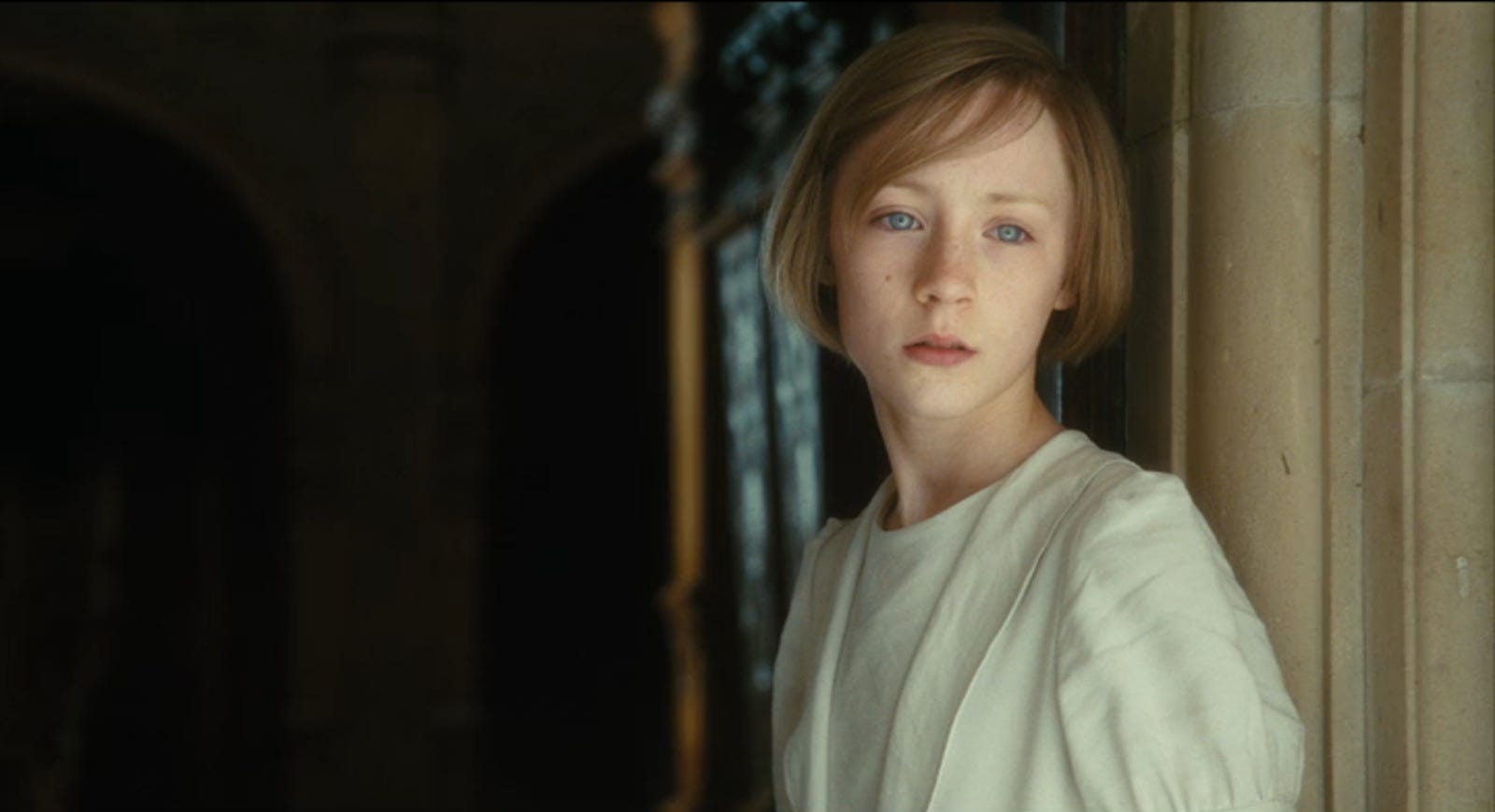
Another technique Wright has adopted to develop viewer’s understanding of Briony’s nature in handling her guilt, is through the use of lines found within shots and their composition.
Wright ensures there is a prevalent presence of uniformed lines within Briony’s shots; whether it is done through setting or body language, it is uncanny in the way lines seem to follow Briony throughout the film. Initially, as a child, the presence of lines in Briony’s shots were a way to show her rigid and unrelentless nature.
However, as the story progresses, the over-arching windows and the back-straight posture Briony seems to carry wherever she goes has adopted a different sentiment – its presence looms over Briony the same way her guilt does. The lines no longer represent stubbornness and cunning curiosity; instead portraying the prison of shameful discipline Briony has chosen to enact onto herself throughout her growth.
This intense realisation that Briony has chained herself to a life void of joy or fulfillment due to the mistakes she made as a child, is a gratifying reminder to viewers that she may spend the rest of her life atoning for her sins.
Wright sparks individuals to question whether they are willing to throw away their lives to a never-ending cycle of self-inflicted punishment. Briony’s guilt has been placed at the forefront of viewers’ minds as they watch these scenes; similar to the way it has embedded itself into Briony’s nature and has taken control of her life; to understand with how it controls the narrative of this film.
It allows viewers to emphatise with Briony’s character and extends an understanding nature towards her actions. The extent of Briony’s nature affected by her guilt, aids individuals to recognise similar ways in which they punish themselves for factors outside of their control.
“In the wrong light, anyone could look like darkness.” – Richard Siken
It’s gratifying to realise viewers may depict similar behaviours of self-destructive tendencies displayed by Briony and it allows them to acknowledge that these habits are not beneficial to a person’s health and livelihood in the long run. Briony’s soul has slowly been chipped away at her own hands because of the weight of her own guilt. And her personality has been locked away at the expense of punishment, inflicted onto her self.
Wrights’ incredible directory and use of film techniques pushes people to realise that life should not be lived in fear and shame; nor should an individuals’ nature be stripped of its essence because of their own guilt.
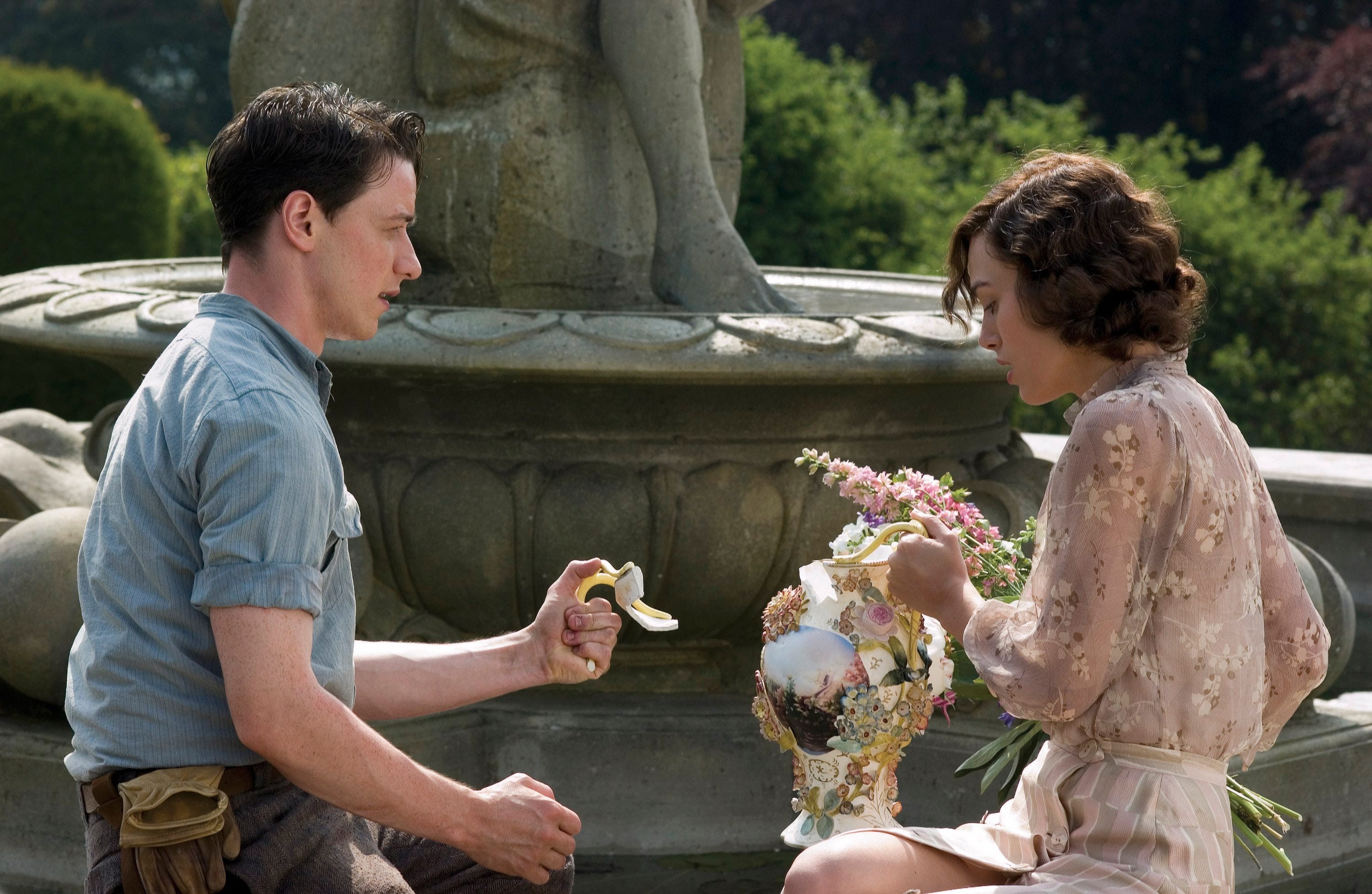
The 2007 film ‘Atonement’ teaches viewers that life will past them in a blink of an eye, and that they should not waste it by trying to regain control or forgiveness over a mistake made in the past. Proven by Briony’s character, and further emphasised by Meyer’s quote, it is an unquestionable truth that humans are not built for guilt. People have always been built for life and forgiveness, and Wright’s directory proves that if we can’t find forgiveness externally, it should be found internally within ourselves and our own nature.
Through the utilisation of contrast and Wright’s meticulously integrated directory, ‘Atonement’ teaches the audience that guilt can permanently taint a person. In allowing it to take a hold of oneself, it may never release its grip on their hearts. Briony’s formative years have been spent bending herself backwards trying to make up for the guilt she faced.
This movie is a reminder that time is short, and life is fleeting, but it is not any less fruitful. It is never too late to right a wrong and be forgiven for situations outside of one’s control – by no means does an individual’s contradiction or flaw undermine their strengths.